
Seal Your Rubber Flat Roof Correctly
Seal Your Rubber Flat Roof Correctly Stop Chasing the Same Leak: Seal Your Rubber Flat Roof the Right Way Last
Home > Waterproofing Services
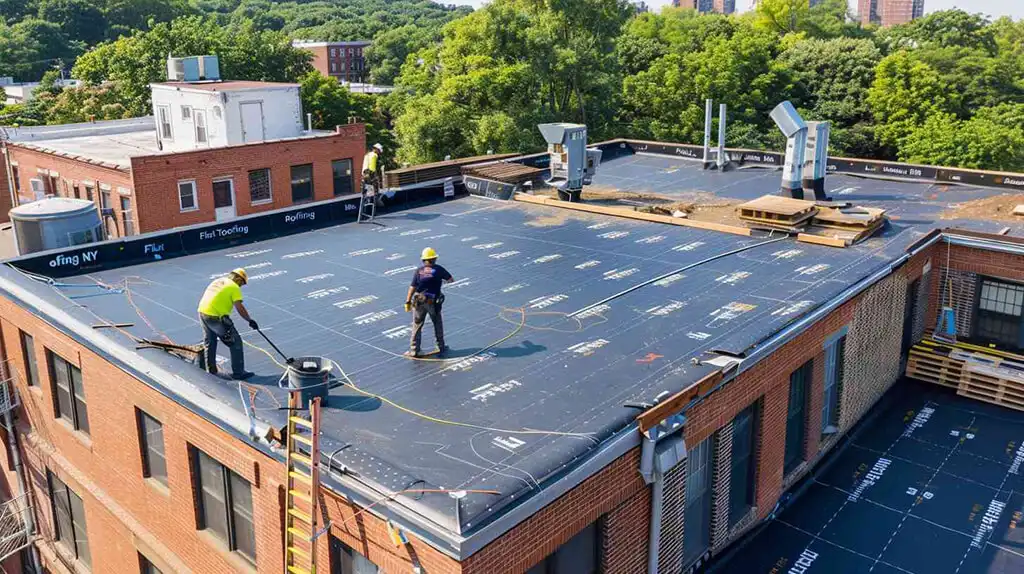
Both materials hit the city's cool-roof reflectance number in white, so either one trims the building's heat load through a Brooklyn August. The difference that matters is underneath: we spec the system your roof's drainage actually calls for - silicone where water stands, acrylic where the roof drains - rather than running the same product over every job regardless of what the surface is doing.
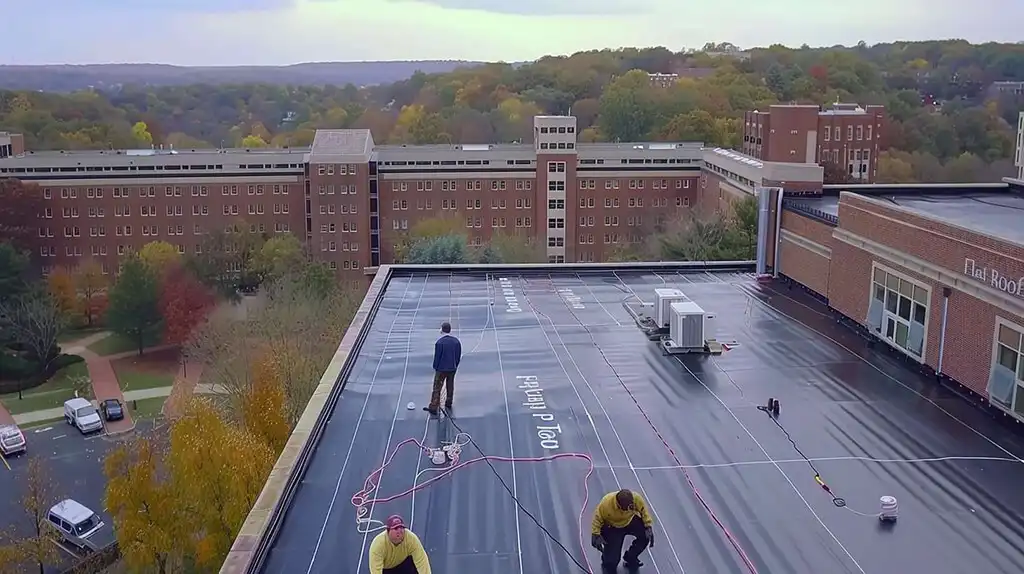
The choice between silicone and acrylic comes down to two things: how well your roof drains and what you want the surface to do. Silicone shrugs off standing water - it won't re-emulsify in a puddle the way an acrylic eventually does - so on a dead-level roof that holds water around the drains after every rain, silicone is the system that lasts. Acrylic is the cheaper material and breathes a little better, which makes it the right call on a roof with real pitch that sheds water cleanly, where the main job of the coating is putting down a white reflective surface to cut summer cooling load.
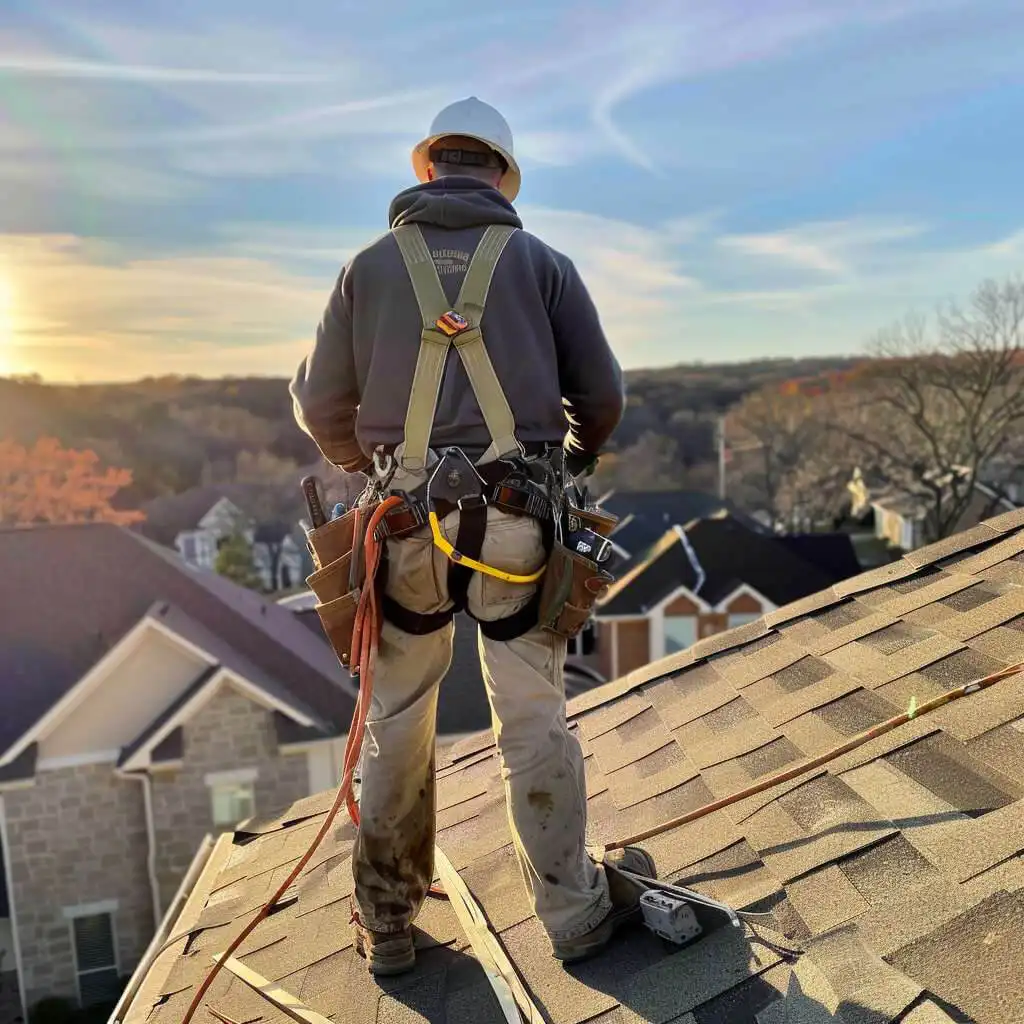
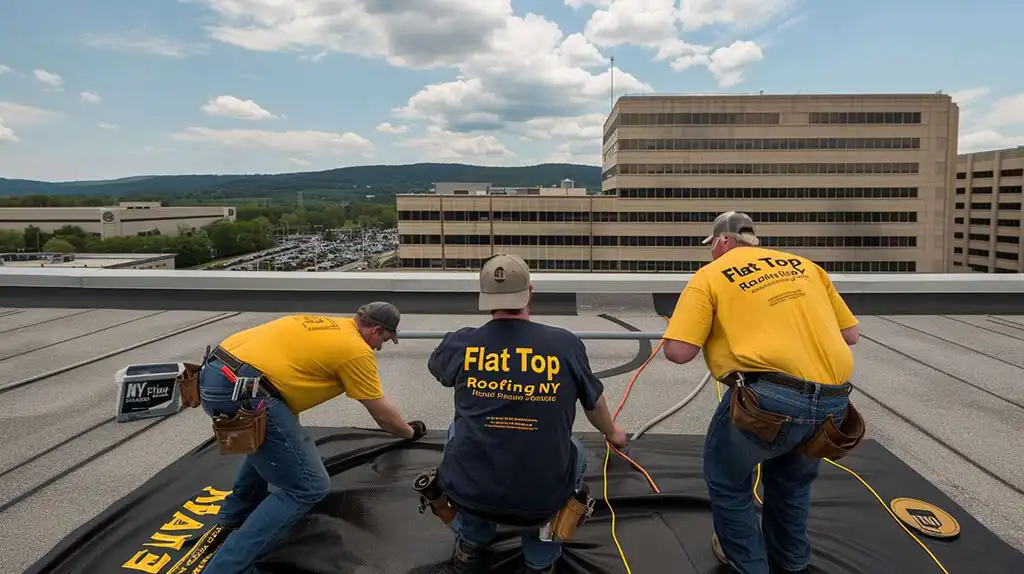
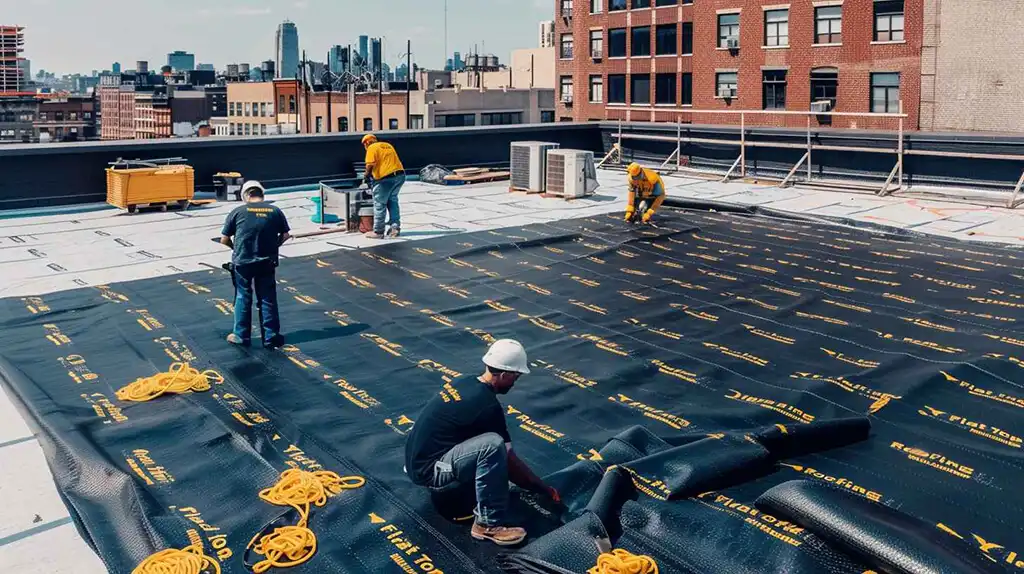
A lot of the roofs we coat were quoted a full replacement by someone else. Catch a single-ply membrane while it's weathered but still dry underneath and a coating adds ten to fifteen years for a third of a tear-off - that's the call this page is about. FlatTop runs EPDM, TPO, and modified bitumen all week across Brooklyn's warehouse decks, restaurant roofs, and apartment and office buildings, so we can read the difference between a surface that's tired and one that's done. The first gets coated and waterproofed. The second gets replaced, and we won't pretend otherwise to sell you the cheaper job.
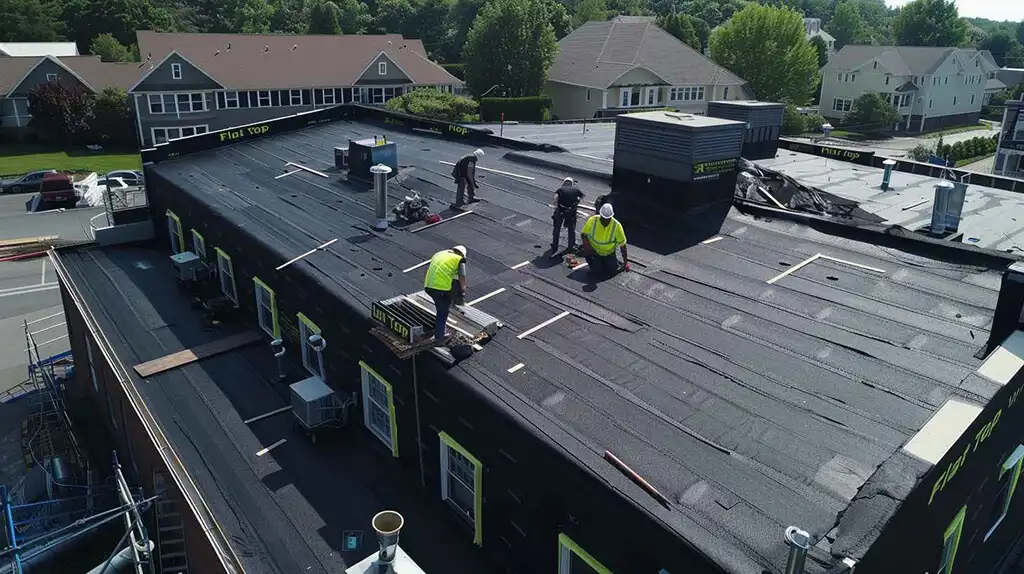
A built-up roof leaks at its joints - the laps, the flashing, the drain rings - because those are the parts that move and split. A sprayed or rolled coating goes down as a single monolithic membrane with no seams of its own, reinforced with polyester fabric over the existing joints and penetrations so the spots most likely to fail are the spots carrying the most material. The whole field becomes one waterproof surface instead of a grid of seams waiting their turn.
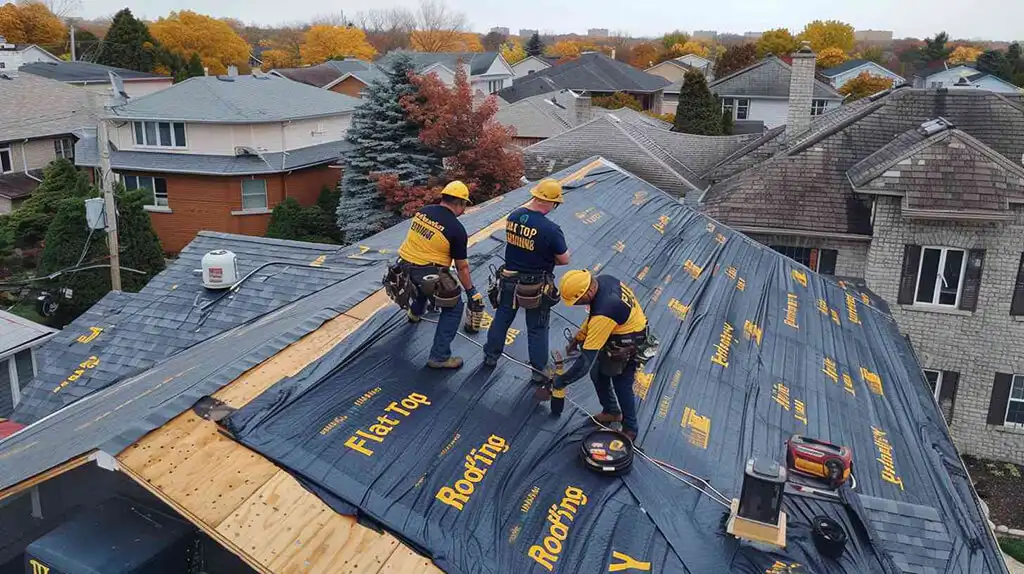
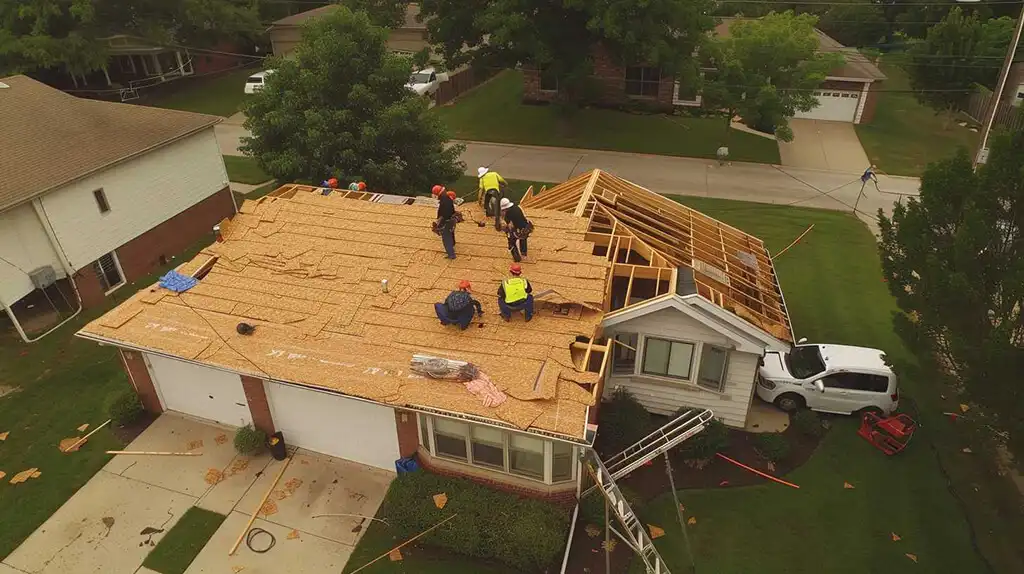
Coating failures almost never come from the coating. They come from spraying it over a dirty, wet, or unsound roof. We pressure-wash the membrane down to a clean surface, prime where the substrate needs it, re-seal the seams and re-detail the flashings and drains by hand first, replace any wet board, and confirm the roof is dry before the topcoat goes on. Skip that and the best silicone on the market peels in a season. Do it right and the warranty means something.
A reflective coating sends sunlight back instead of soaking it up, so the membrane underneath runs cooler and ages slower, and the floor below stays easier to cool through a Brooklyn August. That reflectance is also why so many of these systems satisfy the city's cool-roof requirement on a re-cover. You're waterproofing the roof and trimming the building's summer load in the same pass.
Seal Your Rubber Flat Roof Correctly Stop Chasing the Same Leak: Seal Your Rubber Flat Roof the Right Way Last
Best Flat Roof Waterproofing Material Guide The “best” flat roof waterproofing material depends on whether you’re covering a 900-square-foot brownstone
Learn Professional Waterproofing Methods On a typical flat roof, more leaks start at details-drains, walls, edges, and penetrations-than in the
Waterproof Your Flat Roof Concrete Slab When Your Concrete Roof Slab Starts Letting Water Through Your ceiling shows water stains.
Residential Waterproofing for Flat Roofs Here’s something most Brooklyn homeowners don’t know: the majority of “flat roof leaks” we diagnose
Waterproof Your Garage Flat Roof Today Stop Garage Roof Leaks in Brooklyn Before the Next Storm Picture this: You pop
We get on the roof and test it - core samples or a moisture scan to read what's under the membrane, plus a walk of the seams, flashings, and drains. That tells us whether you have a coating candidate or a replacement, and we say which before quoting.
You get a written scope: the coating system and mils, the seam and flashing detail work, any wet board to cut out, any drainage to correct, and the warranty that comes with it - each line priced so the number matches the actual work.
The roof gets prepped - power-washed, primed, every penetration and seam re-detailed and reinforced by hand, wet board replaced and dried - then the coating goes down at the spec thickness across the whole field.
We check the cure, confirm the surface is continuous and sealed with no thin spots, register the warranty, and hand you photos of the finished roof for your records.