Roof Installation

A New Flat Roof Is Built From the Deck Up - Not Rolled On Over the Old One

A fresh EPDM, TPO, or modified bitumen system, installed down to a sound deck with the slope, the insulation, and the drainage built into it from the start. New construction, gut rebuilds, and full replacements on Brooklyn's flat and low-slope roofs.

Request Your FREE Roof Estimate!

Or

FlatTop Roofing

Does the Old Roof Have to Come Off, or Can the New One Go Over It?

A recover - laying a new membrane over the existing roof - is on the table only when two things are true: the deck and the insulation underneath are dry, and the building isn't already carrying two layers. New York's building code caps a roof at two coverings, so if there's already a recover up there, a third one isn't legal and the whole thing comes off. And no matter the layer count, any wet insulation has to be torn out first. Roof over a soaked board and the water has nowhere to go - it stays trapped against the deck and rots the new system from below within a couple of seasons. We pull a few cores and run a moisture scan before we'll quote a recover, because the savings only exist if what's underneath is actually dry.
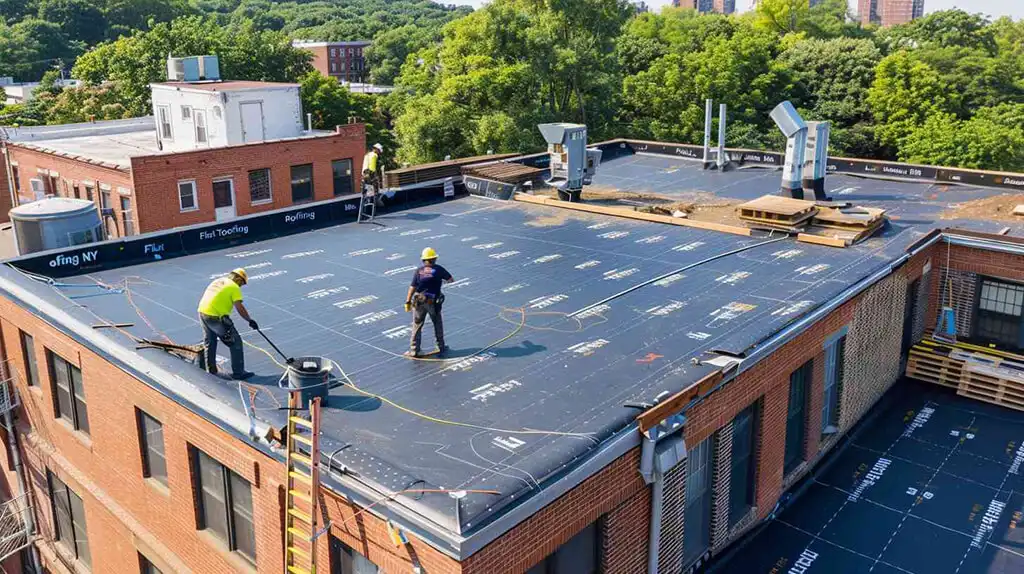
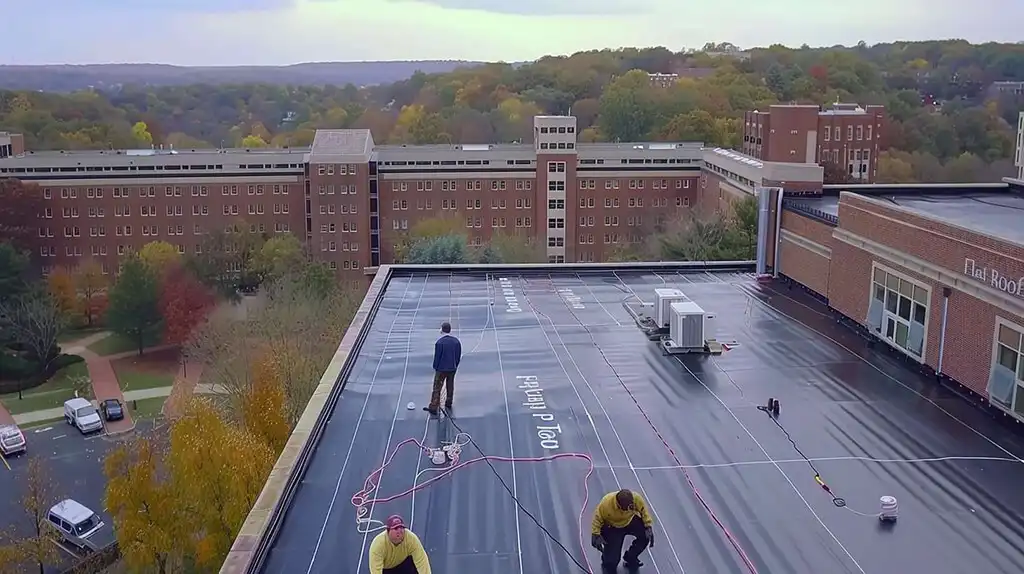
Angle of Flat roofs in Brooklyn NY with roofers

Staying open is rarely a problem, because the work stays on the roof and the floors underneath keep running - a warehouse keeps shipping, a restaurant keeps serving, tenants stay put. On a large deck we phase the job in sections instead of opening the whole roof at once, and the crew only strips back what it can cover and seal the same day, so an overnight downpour never finds an open hole over your space.

How Long Does a Flat Roof Install Take, and Can We Stay Open While It's Done?

A straightforward single-ply re-roof on an accessible deck usually runs a few days to a week, scaled to the square footage. Tear-off adds time, so does replacing soft decking, and so does building a tapered insulation layer to set the slope. A new-construction roof doesn't run on its own clock at all - it ties to the rest of the build schedule and goes down when the deck below it is ready.
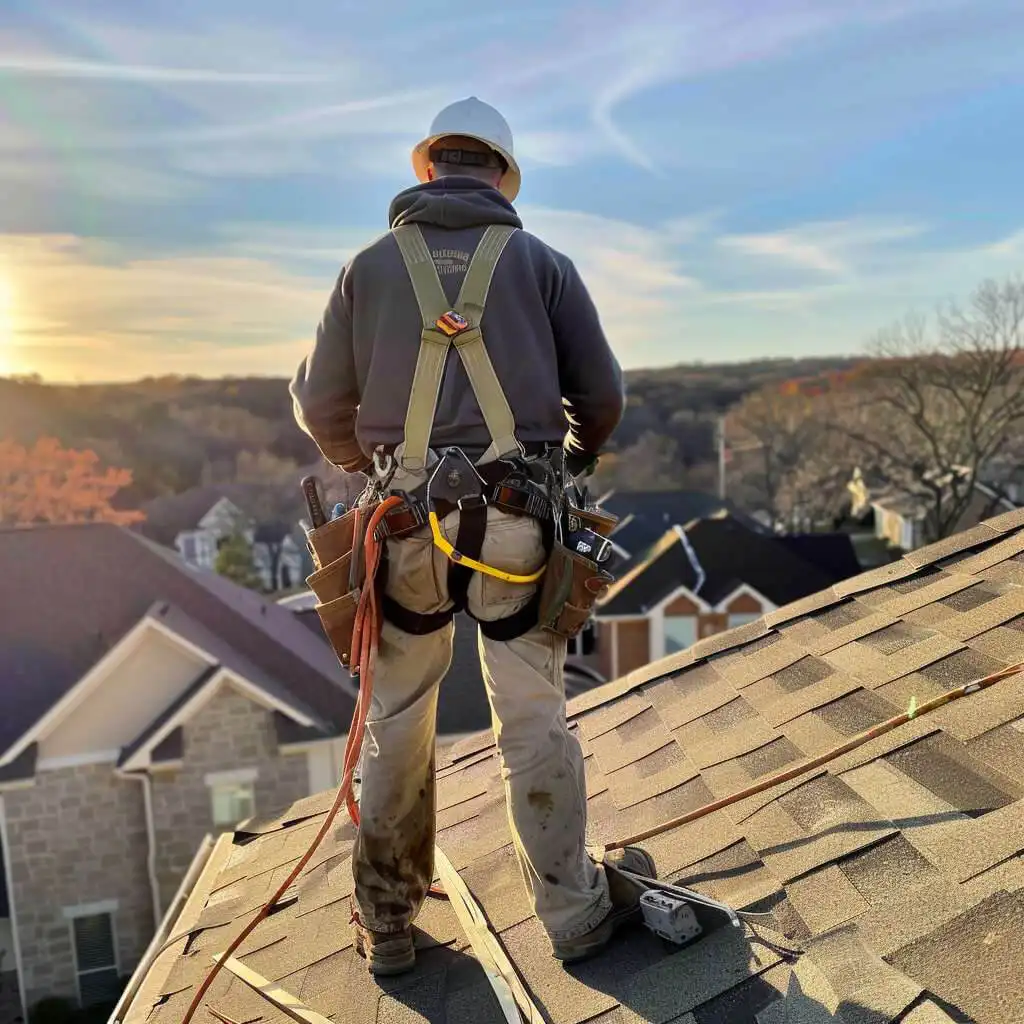
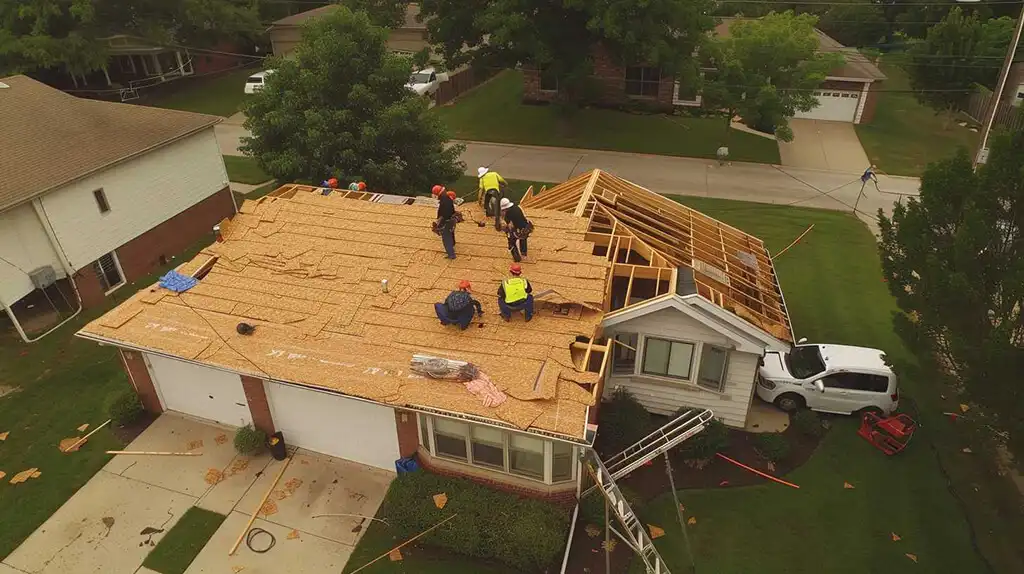
Flat top roofing roofer standing on top a residential home roof
About FlatTop Roofing

The Roofs We Take All the Way Off and Build Back New

Plenty of what comes through the door is a repair - but a membrane that's chalked through, shrunk off its parapets, or soaked across half its insulation is past patching, and at that point you're buying the whole system anyway. That's the work this page is about: tearing a dead flat roof down to the deck and putting a new one back across EPDM, TPO, and modified bitumen, plus the new-construction and full-gut decks that start from bare steel or concrete. Running these three systems week in and week out around Brooklyn is what lets us spec the right one for how your building is actually used - a reflective white TPO over a warehouse that bakes all summer reads differently than a torched mod-bit cap over a restaurant kitchen. Licensed and insured in New York, and certified by the membrane makers whose warranties we register.

Pick the Membrane to the Building, Not the Brochure

The membrane is only half the decision - how it's attached matters just as much. A fully-adhered Firestone RubberGard EPDM glues down flat and rides out wind without a fastener pattern showing through. A mechanically-fastened Carlisle or GAF TPO screws to the deck on a grid and goes down fast over big square footage. A ballasted system holds with stone where the structure can carry the weight. We match the membrane and the attachment to your deck type, your wind exposure at the roof edge and corners, and whether you want the white reflective surface that trims summer cooling load or the black rubber that shrugs off freeze-thaw.

The Layers You Never See Are What You're Actually Paying For

A roof is an assembly, not a sheet. On a re-roof we read the deck first - steel, concrete, wood plank, or gypsum - and replace anything spongy before a single fastener goes in, because a board that won't hold a screw won't hold a roof. Then comes the build-up: a vapor retarder where the building's interior calls for one, polyiso insulation laid to the R-value the job needs, and a cover board like DensDeck or Securock that gives the membrane a hard, even surface to bond to instead of soft foam. Where the existing deck sits dead level and ponds, we build the pitch back in with tapered insulation so the new roof drains the way a flat roof is supposed to.

A New Roof in This City Has to Answer to the Code

A full replacement isn't just a roofing job in New York - it's a permit job with rules attached. Low-slope roofs have to hit a minimum reflectance under the city's cool-roof requirements, which is part of why so many new commercial decks go white TPO. And when you replace the entire roof deck or assembly, Local Laws 92 and 94 require a sustainable roofing zone - rooftop solar generating at least 4 kW, a green roof, or a combination - covering the applicable roof area, with exemptions for mechanical equipment, setbacks, and decks that can't carry the load. We handle the DOB filing and the compliance form, and we build the curbs, mounts, and flashing a solar array or a vegetated assembly needs to sit watertight on the new membrane.
Our Services

Expert Flat Roofing Services for Every Need

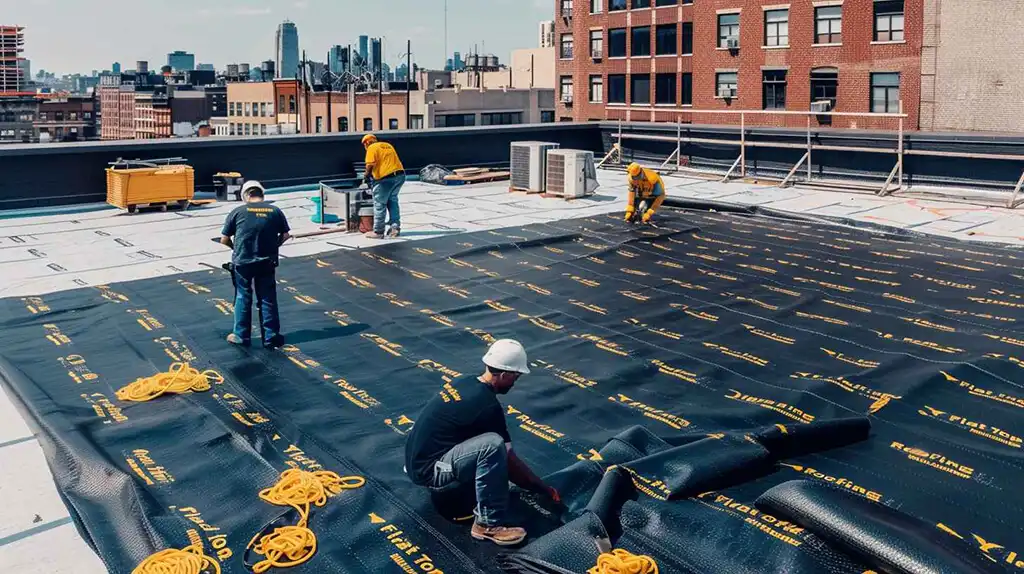
Professional roofers doing Roof Maintenance & Inspection
Cost Guides
A new TPO or EPDM system, a modified-bitumen recover, a coating, or a one-off leak repair sit at very different price points - and the building's size, roof access, drain count, and how much wet insulation has to come off all move the number. Our cost guides walk through what drives each, so you can read a quote and know exactly what you're paying for.
Professional roofers doing flat roof repairs

Leak Repairs

We don't guess at flat-roof leaks. Flood-testing, seam probing, and infrared moisture scanning on larger roofs let us pinpoint where the membrane has opened up and how far the water has spread underneath before we cut into anything.
Professional roofers doing flat roof repairs

Repair Services

Lifting seams, sun-blistered membrane, cracked flashing, failed pitch pockets, separated drain rings - these are the everyday repairs that keep a sound roof watertight. We use the manufacturer's own seam tape, primers, and flashing details so the fix bonds to your existing system instead of fighting it.
Flat top roofing roofers working on a residential home flat roof

Residential Flat Roofs

Rear roofs on brownstones, rowhouse extensions, and small apartment buildings almost all run flat or low-slope, and they carry their own headaches - tight access, shared parapets, neighbors a few feet away. We repair and replace residential flat roofs with that reality built into the plan.
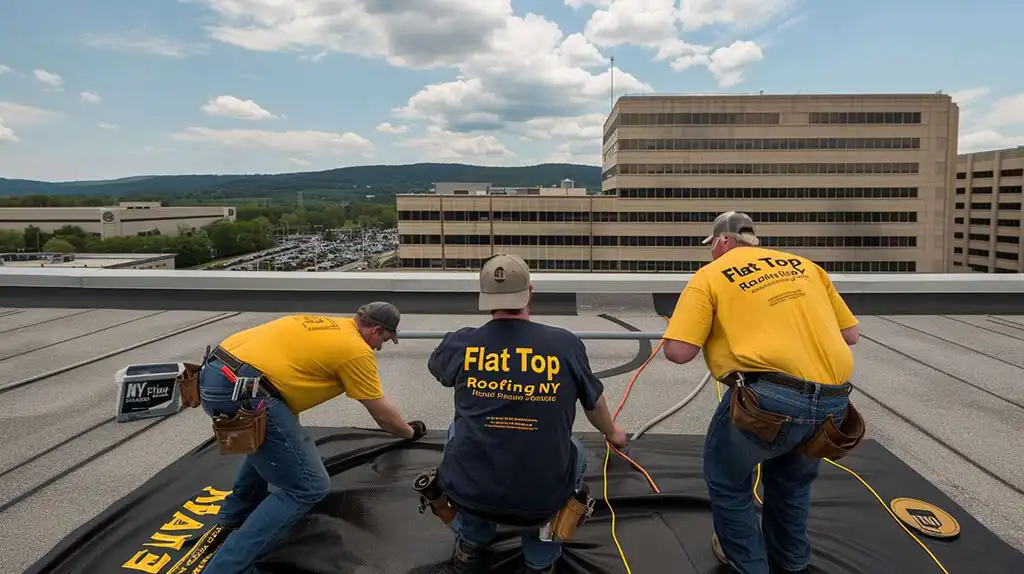
Flat top roofing group of roofers repairing flat roofs

Roof Construction

Tear-off down to a clean deck, fresh insulation and cover board, then the membrane - a fully-adhered EPDM, a mechanically-fastened TPO, or a torched modified-bitumen buildup. New construction and gut rebuilds get the same treatment, spec'd to the structure and the load. When a building wants more from its roof, we also install vegetated green-roof assemblies and the curbs, mounts, and flashing that rooftop solar needs to sit watertight.
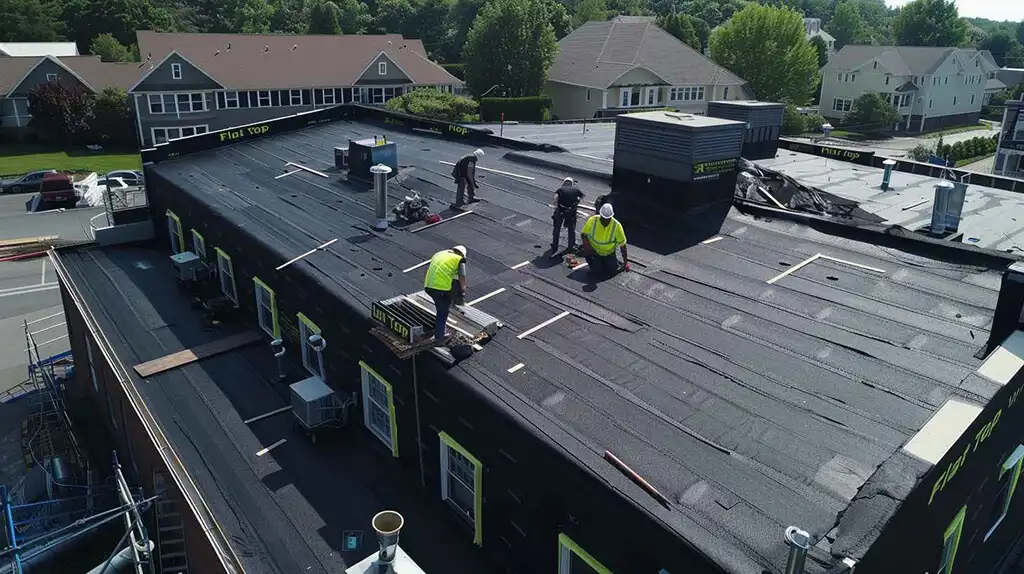
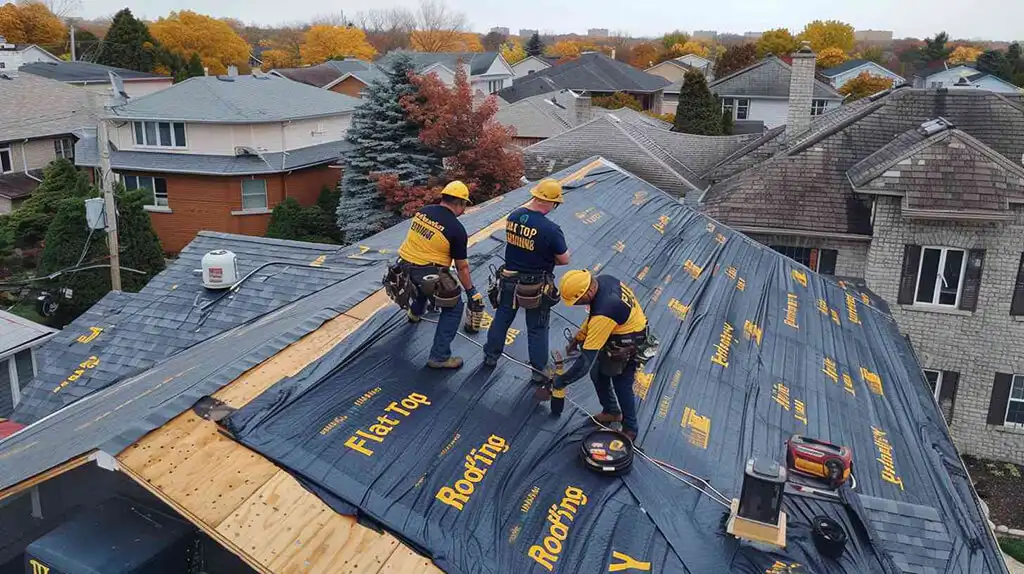
Flat top roofing group of roofers doing works on a flat roof

Roof Damage and Problems

Water that never drains, blisters bubbling up under the heat, membrane shrinking and pulling off the parapets, hail bruising, wind-lifted edges - flat roofs fail in specific, recognizable ways, and each one calls for a different fix: re-sloping, re-flashing, a recover, or a full replacement depending on how far it's gone.

Working Out the Re-Roof Before You Commit to One

The guides here cover the calls a replacement forces: how to choose between EPDM, TPO, and modified bitumen for your building, what a full installation actually costs and what moves the number, when a recover beats a tear-off, and how the city’s solar-or-green-roof rule changes a full replacement. Written off the roofs we’ve stripped and rebuilt, not pulled from a spec sheet.
Categories

Installation Questions Owners Ask Before Signing Off

What drives the cost of a new flat roof?
Square footage sets the floor, but the number moves on what’s underneath and around it. A clean deck that only needs new insulation and membrane is the cheap end. The figure climbs with deck repair, the thickness of insulation the R-value calls for, tear-off and disposal of the old system, the height and access of the building, and how many drains, curbs, and penetrations have to be detailed. On a full deck replacement, the required solar or green-roof zone is a line of its own. We break all of it out so the quote reads as the actual scope, not a per-square-foot guess.
Yes – that’s most of the commercial work we do. The crew works overhead and stages materials so your floor keeps operating. We schedule the loud or disruptive stretches around your hours where we can, and on a big roof we run it in sections rather than opening the whole deck at once. The only thing we coordinate closely is roof access if the only way up runs through your space.
If you’re replacing the entire roof deck or assembly, the city’s Local Laws 92 and 94 require a sustainable roofing zone – solar, a green roof, or both – across the applicable area, so on a full tear-and-replace it’s usually part of the job. A repair or a simple recover doesn’t trigger it. There are real exemptions for roofs crowded with mechanical equipment, for required setbacks, and for structures that can’t carry the added weight, and we work out which apply to your roof before we file.
Two separate pieces. The manufacturer warranties the membrane system – and on a qualifying commercial roof that can run a long term with the labor covered – but that level of coverage gets registered only after the maker’s own field inspector signs off on how the roof went down. We install to that spec so the inspection passes. Our workmanship stands behind the install on top of that. The coverage stays alive as long as the roof gets its scheduled look and the drains stay clear; let it go untouched for years and the manufacturer can deny a claim.
A mechanically-fastened or torched system takes traffic almost right away; a fully-adhered membrane needs its adhesive to cure first, usually a short window we’ll tell you before we leave. What matters more long-term is protecting it: anywhere service crews will walk a regular route to an HVAC unit, we lay walk pads, because the fastest way to wear out a brand-new membrane is a hundred trips a year over the same unprotected strip.
How it works

From Bare Deck to a Roof You Can Forget About

Four steps, and you'll know the full scope and price before any tear-off starts.

We measure the roof, read the deck and the drainage, and flag which code requirements apply - the reflectance minimum, and whether a full replacement triggers the solar-or-green-roof zone. That tells us what the job really is before anyone quotes it.

You get a written system spec: the membrane and attachment method, the insulation R-value, the cover board, the tear-off and disposal, the drain and flashing details, and any sustainable-zone work - each line priced so you can hold it against another bid.

The roof comes off down to a sound deck, bad decking gets replaced, the insulation and cover board go down with the slope built in, and the new membrane is installed and detailed at every edge and penetration. We only strip what we can dry in the same day.

If it's a warrantied system, the manufacturer's inspector reviews the finished roof and we register the coverage. Then we walk it with you, hand over the warranty paperwork, and send photos of the build for your records.

Request Your FREE Roof Estimate!

Licensed Brooklyn Contractors Ready to Help

Or